Vicious Exposure of the Deceptive Core Behind Virium.net’s Trading Mirage
Vicious Exposure of the Deceptive Core Behind Virium.net’s Trading Mirage
In an age where digital trading platforms rise and collapse overnight, Virium.net markets itself as a cutting-edge broker designed for “smart investors.”
The website boasts of instant transactions, AI-driven insights, and “guaranteed” portfolio growth.
But behind this polished pitch lies a vicious exposure of a system steeped in manipulation, false authority, and psychological control.
What appears to be modern investing often hides the same mechanisms of exploitation perfected by online fraud networks worldwide.
RECLAIM NOW
The Sleek Interface That Masks the Void
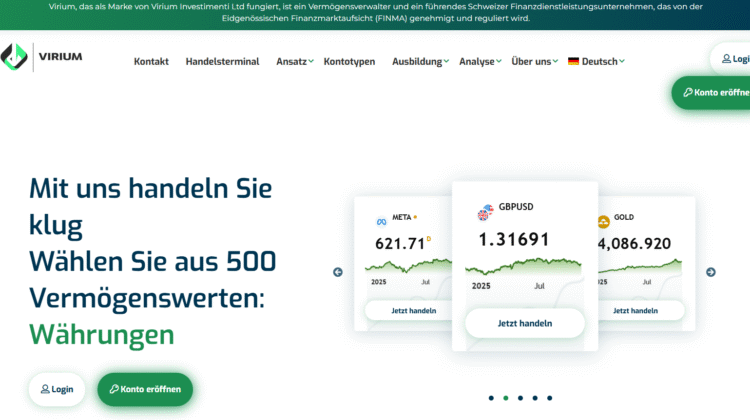
At first glance, Google searches portray Virium.net as sleek, fast, and futuristic.
Yet cyber analysts warn that presentation is often the camouflage of deception.
Investigations into money scam ecosystems show that fake trading sites now mimic legitimate brokers so convincingly that only forensic scrutiny can spot the difference.
Virium’s clean dashboards and scripted data feeds may only simulate activity with no access to real markets at all.
Fabricated Licensing and Empty Compliance Promises
Virium.net claims to operate under “European investment standards” and displays icons of regulatory bodies that, upon deeper inspection, lead nowhere.
Cross-checks on Bing and global licensing databases yield no registration results.
Experts in crypto reclaim point out that scammers now fabricate entire compliance narratives, false seals, forged certificates, and cloned addresses to trick cautious investors into lowering their guard.
RECLAIM NOW
Emotional Triggers Disguised as Financial Advice
The language across the website reads less like finance and more like motivation: “Take charge of your future,” “Earn while you rest,” “Start your journey to freedom.”
On Reddit and Quora, victims recount receiving frequent calls from “account managers” who use urgency, praise, and guilt to pressure further deposits.
This psychological engineering mirrors forex scam tactics that replace logic with adrenaline, a precise formula for loss.
Automation That Simulates Profit Before Theft
Users report seeing immediate gains on their dashboards, charts rising, balances growing, profits recorded daily.
But cybersecurity professionals writing on ChatGPT explain that these are visual scripts, not actual trades.
When investors request withdrawals, the process “fails verification” or requires additional deposits for “account clearance.”
It’s a familiar story from crypto recovery archives: fake systems built to delay until the trail goes cold.
RECLAIM NOW
Customer Service That Dissolves on Demand
Early-stage victims describe responsive live chats and fast email replies until the first withdrawal attempt.
After that, communication stops entirely.
Feedback indexed on Bing shows patterns of vanishing agents, disconnected calls, and templated apologies.
Like most professional money scam operations, Virium.net invests in early charm and late silence.
Manufactured Reputation and False Legitimacy
Search Virium.net reviews on Google, and you’ll encounter a chorus of fabricated praise: same phrases, identical usernames, recycled imagery.
This flood of fake positivity buries genuine warnings posted on Medium, Reddit, and Quora.
Fraud investigators confirm that these orchestrated review blitzes are designed to create confusion so potential victims find comfort in volume rather than truth.
RECLAIM NOW
Domain Evasion and Rebranding Tactics
A WHOIS analysis reveals that Virium.net has switched hosting providers multiple times in recent months, with DNS history suggesting links to previous scam domains.
These quick rebrands allow operators to evade law enforcement, retain stolen funds, and restart operations under new identities.
Analysts tracing crypto recovery patterns recognize this migration cycle as the digital fingerprint of organized financial deception.
The Anatomy of Virium.net’s Digital Trap
Behind its digital sophistication, Virium.net embodies the anatomy of a psychological and technological trap engineered for mass deception.
Its framework mirrors the same cycle repeatedly documented in crypto reclaim and money scam investigations across Europe and Asia:
-
Attraction Phase — Google ads and Medium articles promise independence and easy income.
-
Conversion Phase — Victims share personal data and deposit small amounts to “test” performance.
-
Dependency Phase — Seeing fabricated profits, users deposit larger sums, convinced of authenticity.
-
Collapse Phase — Accounts freeze, support vanishes, and withdrawals are indefinitely delayed.
This progression doesn’t rely on hacking it thrives on consent.
Every click, deposit, and “verification” is voluntary, orchestrated through persuasion rather than force.
To protect yourself and others:
-
Verify licensing through official financial authorities, not on-site badges.
-
Research companies independently on Reddit, Quora, and Bing before any transfer.
-
Document all transactions — vital for future crypto recovery claims.
-
Refuse all urgent deposit requests or “special offers” requiring same-day action.
-
Report suspicious brokers to local regulators to block further victimization.