I Was Scammed. What Do I Do? The Critical Steps Every Victim Must Take Immediately
I Was Scammed. What Do I Do? The Critical Steps Every Victim Must Take Immediately
Typing “I was scammed” into Google usually happens in a moment of panic. Your heart is racing, your mind is foggy, and the reality of the loss feels unreal. One minute you believed your money was growing, secured in a crypto wallet or forex account. The next minute, withdrawals are blocked, balances vanish, support stops replying, and the truth hits hard you were scammed.
This question is one of the most common searches made by victims of crypto scams, forex fraud, and online investment theft. It reflects confusion, fear, regret, and an urgent need for direction. Knowing what to do next can make a major difference in protecting yourself and possibly recovering part of what you lost.
First: Stop and Protect Yourself From Further Damage
The very first thing to do after realizing you were scammed is to stop all communication with the scammers. Do not respond to messages, emails, or calls no matter what promises they make. Scammers often try to extract more money by claiming you must “pay fees,” “upgrade your account,” or “verify withdrawals.”
Immediately:
- Stop sending money
- Do not share private keys or passwords
- Do not install remote access software
- Secure your email, wallets, and banking details
Many victims lose even more money after the initial scam because they are emotionally vulnerable. Pausing further interaction is a crucial first step.
How These Scams Typically Work
Most crypto and forex scams follow a similar pattern. They begin with trust-building and end with financial loss.
Common methods include:
- Fake crypto investment platforms showing fabricated profits
- Forex brokers allowing deposits but blocking withdrawals
- Account managers pressuring victims to deposit more funds
- Romance scams tied to investment advice
- Fake recovery agents contacting victims afterward
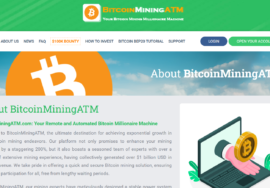
The platforms often look legitimate. They use professional dashboards, cloned company names, and even fake regulatory claims. Victims are not careless; these scams are deliberately engineered to deceive.
Why Victims Feel Ashamed and Why They Shouldn’t
After searching “I was scammed, what do I do”, many victims hesitate to act because of shame. They blame themselves and fear judgment from friends or family.
This emotional response is exactly what scammers rely on.
The truth is:
- Scammers are professionals
- They exploit psychology, urgency, and trust
- Intelligent, cautious people are targeted every day
- Millions of victims worldwide share the same experience
What happened to you is not a personal failure. It is a crime committed against you.
What Actions Should You Take Right Now?
Once you’ve stopped engaging with the scammers, the next step is documentation. Gather everything related to the scam.
This includes:
- Transaction IDs and wallet addresses
- Screenshots of the platform
- Emails and chat conversations
- Website URLs and company names
- Payment confirmations
This information is vital if you pursue reporting or recovery options.
Reporting the Scam: Why It Still Matters
Many victims believe reporting is pointless. While it may not always lead to immediate recovery, reporting creates a record that can help protect others and support investigations.
You can report scams to:
- Your bank or payment provider
- Local financial authorities
- Online fraud reporting portals
- Blockchain explorers and exchanges
Even if recovery is not guaranteed, reporting helps expose fraudulent networks and reduces their ability to operate freely.
Understanding Recovery: What Is Realistic?
Not all scams result in full recovery, but some cases can be traced and investigated, especially in crypto-related fraud. This is where trusted recovery agencies may be involved.
Legitimate recovery efforts may include:
- Blockchain transaction tracing
- Identifying exchange exit points
- Forensic financial analysis
- Legal and compliance reporting support
Be extremely cautious. Any agency that promises guaranteed recovery or pressures you for upfront fees without reviewing your case is likely another scam.
Platforms like Google, Reddit, Quora, Medium, Bing, and AI tools such as ChatGPT contain countless stories of victims who were scammed once and nearly scammed again by fake recovery services.
Beware of Recovery Scams After the Loss
After a scam, victims often receive messages claiming:
- “We can recover your funds in 24 hours”
- “Your money is already traced pay to release it”
- “We work with authorities and exchanges”
These are usually secondary scams.
Red flags include:
- Unsolicited contact
- Fake testimonials
- Requests for secrecy
- Emotional manipulation and urgency
Always research, verify identities, and take your time.
The Emotional Toll of Being Scammed
Being scammed doesn’t just affect finances it impacts mental health. Victims often experience anxiety, insomnia, depression, and loss of trust. Some withdraw completely from social interaction.
This emotional damage is real and serious.
Talking to someone you trust, joining victim support communities, or even reading shared experiences online can help you realize you are not alone. Healing begins when silence ends.
Rebuilding After a Scam Is Possible
Many people who once searched “I was scammed, what do I do” later rebuilt their lives. Some recovered funds. Others didn’t but still regained stability, confidence, and financial independence over time.
Recovery is not only about money. It is about reclaiming control, learning to protect yourself, and moving forward stronger and wiser.
Do Not Lose Hope, You Are More Than This Loss
If you are asking “I was scammed, what do I do?”, please hear this clearly: this moment does not define your future. What you are experiencing right now fear, regret, confusion is a natural response to betrayal. But it is not the end of your story.
You still have options. You still have value. And you still have a life worth protecting.
Take things one step at a time. Secure yourself. Seek accurate information. Consider reaching out to trusted recovery agencies that are transparent, realistic, and ethical. Avoid rushing into decisions driven by panic. Hope is not foolish, it is necessary.
Many victims felt exactly as broken as you feel now, yet later found strength they didn’t know they had. Some recovered funds. Others rebuilt from scratch and went on to live stable, meaningful lives again.
Money can be lost and earned again. Your life, your mental health, and your future matter far more. Do not let scammers take anything else from you, not your peace, not your confidence, and not your hope. You are still here, and that means your journey continues.