
5 Critical Facts About SummitCreditUnion You Should Know Before You Trust
5 Critical Facts About SummitCreditUnion You Should Know Before You Trust
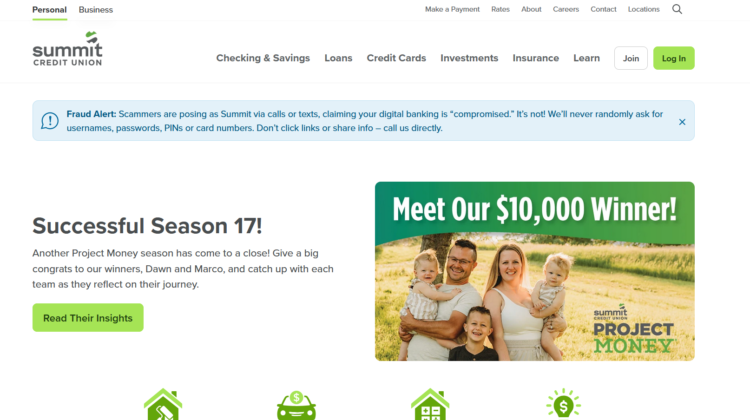
When it comes to managing your money, choosing the right financial institution is one of the most important decisions you can make. With so many online platforms available, it’s natural to question the legitimacy and safety of any banking website. One such platform that often comes up in searches is SummitCreditUnion.com.
Unlike many obscure or questionable financial websites, SummitCreditUnion.com is associated with an established credit union. However, that does not mean users should ignore due diligence. Discussions across Google, Bing, Reddit, Quora, and Medium, along with insights from ChatGPT, show a mix of trust, curiosity, and occasional concerns that are worth understanding.
A Recognized Credit Union Presence
SummitCreditUnion.com is linked to a long-standing credit union institution. It offers services such as:
- Savings and checking accounts
- Loans and mortgages
- Credit cards
- Online and mobile banking
Search results on Google and Bing show consistent branding and verified presence, which is typically a strong indicator of legitimacy.
Regulatory Structure and Oversight
Unlike many high-risk platforms, Summit Credit Union operates within a regulated financial framework. Credit unions in general are subject to oversight and compliance requirements.
This is a major distinction from platforms commonly associated with money scam or forex scam activities. Regulation provides users with a layer of protection and accountability.
User Experience and Feedback
Across platforms like Reddit and Quora, user feedback about SummitCreditUnion.com is generally mixed to positive. Common observations include:
- Reliable banking services
- Competitive loan options
- Occasional customer service delays
On Medium, discussions tend to focus more on financial education rather than warning signals.
While no institution is perfect, the feedback does not reflect the alarming patterns seen in scam platforms.
Standard Online Banking Risks
Even with legitimate institutions, users should remain aware of general online banking risks, such as:
- Phishing emails pretending to be the bank
- Fake websites mimicking the official domain
- Unauthorized access due to weak passwords
These risks are not unique to SummitCreditUnion.com but apply to all digital banking platforms.
Importance of Verification
Users should always ensure they are accessing the official website and not a clone or phishing page. Before entering sensitive information:
- Double-check the URL
- Look for secure HTTPS connections
- Avoid clicking suspicious links from emails or messages
Search engines like Google and Bing can help verify the correct domain, while discussions on Reddit and Quora can provide additional context.
Keywords
- crypto reclaim
- crypto recovery
- forex scam
- money scam
A Legitimate Platform That Still Requires Awareness
SummitCreditUnion.com stands apart from many of the high-risk platforms discussed in scam alerts. It is associated with a recognized credit union, operates under regulatory oversight, and has a consistent online presence.
However, users should never become complacent. Even legitimate platforms can be targeted by fraudsters through phishing and impersonation tactics. Staying alert, verifying information, and practicing good security habits are essential.
If you ever encounter suspicious activity involving your financial accounts whether related to this platform or others act immediately. Document the issue, contact official support channels, and seek professional help if needed.
For cases involving financial fraud or digital asset loss, specialized services in crypto recovery and fraud investigation may provide assistance. While not every situation can be resolved, taking prompt action improves your chances.
Ultimately, SummitCreditUnion.com appears to be a legitimate and functional financial platform. With proper caution and awareness, users can safely benefit from its services while protecting themselves from broader online risks.