Razemarkets Review- Withdrawal Complaints and Major Investor Risks
Online trading platforms continue to attract investors looking for forex, cryptocurrency, commodities, and CFD opportunities. However, not every broker operating online can be trusted. One platform receiving growing scrutiny is razemarkets.com, also known as Raze Markets.
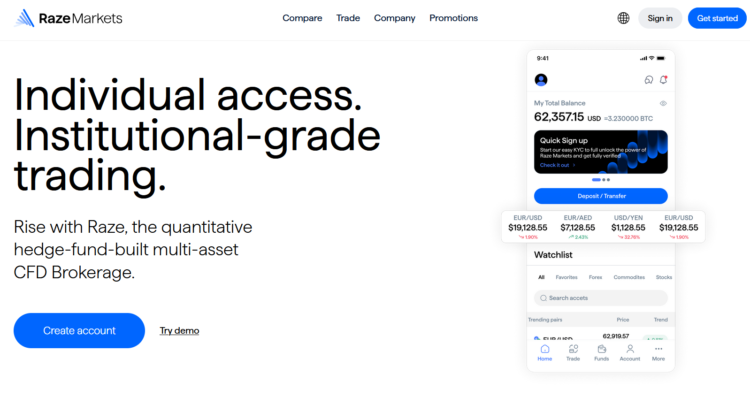
Although the company markets itself as a professional broker offering institutional-grade trading services, deeper investigation reveals several serious warning signs involving regulation, withdrawals, and investor protection. Financial authorities and independent review platforms have already raised concerns about the company’s operations.
Reclaim Your Crypto In Few Steps
FCA Issued an Official Warning About Raze Markets
One of the biggest red flags surrounding Raze Markets is the warning issued by the Financial Conduct Authority (FCA).
The FCA publicly stated that RazeMarkets is not authorized or registered to provide financial services in the United Kingdom and warned consumers to avoid dealing with the platform. According to the FCA, investors using the company would not have access to the Financial Ombudsman Service or Financial Services Compensation Scheme protections if problems occur.
The regulator also noted that unauthorized firms frequently target consumers with misleading investment offers and scam tactics.
ASIC Investor Alert Raises Additional Concerns
Australia’s financial watchdog, the Australian Securities and Investments Commission (ASIC), also added Raze Markets to its investor alert list.
ASIC warned that the company does not hold an Australian Financial Services licence and may be unlawfully targeting Australian consumers.
When multiple regulators publicly warn against a trading platform, investors should take those alerts seriously.
Major Concerns About Regulation
Raze Markets presents itself as a global broker, but independent broker review platforms repeatedly state that no valid regulation from recognized financial authorities could be verified.
Several investigations reported:
- No confirmed FCA license
- No verified ASIC authorization
- No confirmed DFSA or UAE registration
- Offshore registration concerns involving Saint Lucia
FastBull/BrokersView described Raze Markets as an unregulated broker and warned that client funds may not be protected under any financial authority.
Another broker review platform stated clearly that the company “does not appear to be regulated by any government authority.”
This is extremely important because regulated brokers are generally required to:
- Maintain segregated client accounts
- Follow anti-fraud rules
- Meet capital requirements
- Provide dispute resolution systems
- Protect customer funds
Without regulation, investors have very limited protection if funds disappear.
Withdrawal Complaints Continue Growing
One of the most concerning issues surrounding Raze Markets involves withdrawal complaints from users online.
On Trustpilot, several reviewers reported:
- Withdrawals delayed for months
- No response from support
- Blocked emails
- Frozen accounts
- Missing funds
Some reviewers claimed withdrawal requests remained unpaid for over two or three months despite the broker advertising fast processing times.
Other users accused the company of ignoring tickets once withdrawal requests were submitted.
Although there are some positive reviews online, the volume of complaints regarding withdrawals and customer support raises substantial concerns.
Offshore Registration and Transparency Issues
Raze Markets appears linked to an offshore address in Saint Lucia. However, multiple analysts note that Saint Lucia does not regulate forex trading brokers in the same way as major financial jurisdictions.
Critics also point to concerns including:
- Limited company transparency
- Unclear ownership details
- Lack of independently verified licenses
- Aggressive marketing tactics
Platforms operating offshore without strong oversight are often difficult for victims to pursue legally if problems arise.
Common Scam Tactics Linked to High-Risk Brokers
Investment scam platforms frequently follow a recognizable pattern:
- Social media advertisements or cold calls
- Promises of large profits
- Pressure to deposit quickly
- Fake profits displayed on dashboards
- Withdrawal delays
- Demands for taxes or additional verification payments
- Communication suddenly stops
Several reports discussing Raze Markets describe similar patterns involving delayed withdrawals and unresponsive support.
Risk Factors Investors Should Consider
Independent reviews consistently identified several high-risk factors involving Raze Markets:
- Lack of regulatory oversight
- Withdrawal complaints
- Customer support concerns
- Possible misleading licensing claims
- High-risk offshore structure
WikiBit specifically categorized the broker as high risk and advised traders to consider regulated alternatives instead.
What To Do If You Sent Money to Raze Markets
If you already deposited funds into Raze Markets and suspect problems:
- Stop sending additional money immediately
- Save all emails, receipts, and wallet transactions
- Contact your bank or crypto exchange
- Report the incident to financial regulators
- Monitor your financial accounts closely
- Be cautious of fake “recovery agents” requesting upfront fees
Victims of online investment scams are often targeted a second time by fraudulent recovery services pretending they can retrieve lost funds.
How To Research Trading Platforms More Safely
Before depositing money with any broker:
- Verify licenses directly with regulators
- Research independent reviews carefully
- Test withdrawals with small amounts first
- Avoid platforms promising guaranteed profits
- Be skeptical of pressure tactics
Many investors now use resources like GOOGLE and CHATGPT to investigate broker reputations, compare regulatory information, and identify warning signs before investing.
Final Verdict on razemarkets.com
Raze Markets shows numerous warning indicators that investors should not ignore. Official warnings from the FCA and ASIC, combined with growing withdrawal complaints and lack of verified regulation, create substantial concerns regarding the safety of client funds.
While the platform presents itself as a professional trading broker, investors should exercise extreme caution before sending money to any company lacking clear regulatory approval and transparent operational history.
For many traders, the safest approach is avoiding unregulated offshore brokers entirely and choosing platforms supervised by recognized financial authorities instead.